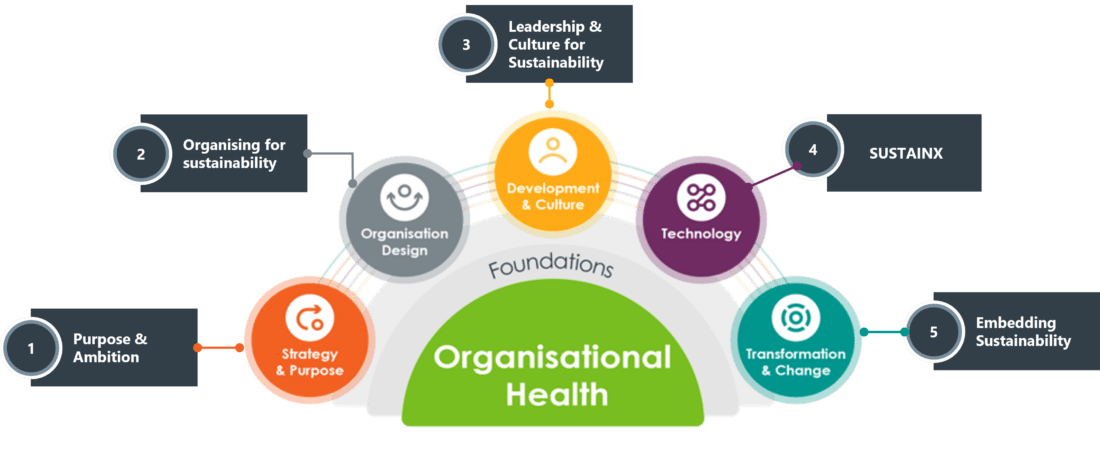
A healthy organization is a sustainable one.
A sustainable organization successfully balances social and environmental impact alongside financial performance, while also solving real-world challenges in a way that remains profitable.
Today, organizations in the US face increasing expectations from customers, employees, investors, regulators, and wider society to demonstrate clear action on sustainability.
Creating long-term value for all stakeholders is crucial to achieving sustained success. These principles sit at the core of a sustainable business model.
Operating a sustainable business is a journey and often a full transformation opportunity for the entire organization. At its heart, it requires long-term thinking and a clear sustainability strategy.
Good organizational health is fundamental to sustainable business. They must balance social and environmental responsibility together with financial performance to create value for people and the planet.
However, organizations are increasingly expected to understand and manage their impact. Customers, employees, investors, and government bodies all put pressure on them to achieve their sustainability goals.
Those that embed sustainability effectively create value for all stakeholders, strengthening resilience and long-term success.
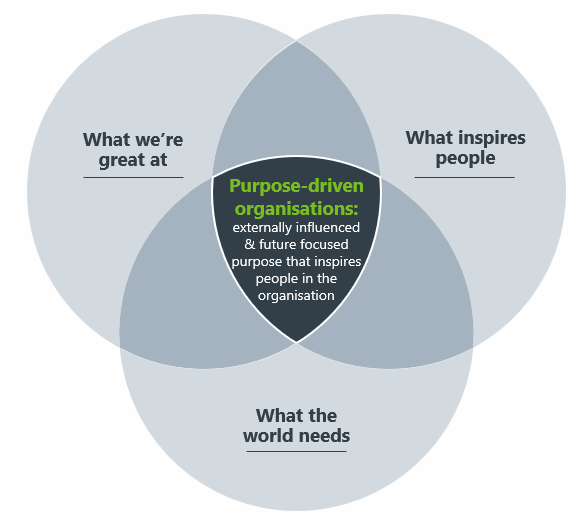
Leaders must clearly understand their challenges. They must define what sustainability is for their organization and how to implement it. They must turn ambition into action that aligns with an actionable strategy.
A sustainable business culture integrates values, beliefs, and behaviors that prioritize environmental, social, and financial responsibility into everyday decision-making and organizational priorities. It is not a standalone initiative, but rather a mindset that informs all actions.
It represents a collective mindset where everyone in the organization considers environmental, social, and financial impacts in all activities and decisions.
Building this culture requires clarity of purpose, consistent leadership, and active employee engagement.
A sustainable business culture integrates values, beliefs, and behaviors that prioritize environmental, social, and financial responsibility into everyday decision-making and organizational priorities. It is not a standalone initiative, but rather a mindset that informs all actions.
It represents a collective mindset where everyone in the organization considers environmental, social, and financial impacts in all activities and decisions.
Building this culture requires clarity of purpose, consistent leadership, and active employee engagement.