Chris Parsons on why organisation design must go beyond org charts to deliver lasting performance
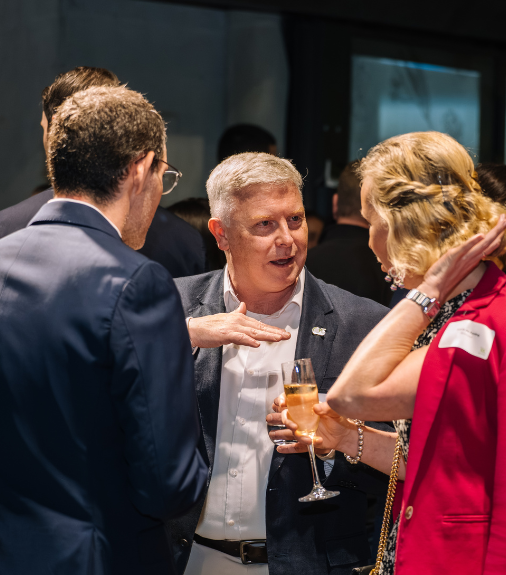
Featured on the Questioning Gurus podcast by QuestionPro APJ, Q5 Co-Founder Chris Parsons shares why true transformation goes beyond restructuring. Sustainable performance comes from aligning strategy, structure, processes, and culture to reduce friction and improve outcomes for both customers and employees.
Reading time: 4 minutes
What does real transformation actually look like?
In a recent appearance on the Questioning Gurus podcast by QuestionPro APJ, Chris Parsons, Co-Founder of Q5 and Managing Partner for Australia and New Zealand, explored a question many organisations grapple with: what separates genuine transformation from a restructure dressed up in PowerPoint? To hear Chris Parsons share these perspectives in full, listen to the episode on the Questioning Gurus podcast by QuestionPro APJ.
Key insights
Too often, organisations equate change with reshuffling reporting lines or reducing layers. It may look cleaner on paper, but little actually improves in how work gets done. As Chris explains, real transformation is not about making an organisation look efficient. It is about making it work better.
At the heart of this is organisational health. This goes far beyond spans, layers, and cost reduction. High performing organisations align multiple elements at once. Strategy, structure, processes, culture, leadership, employee experience, and customer outcomes all need to move together. If one is out of sync, performance suffers.
A common trap is focusing too early on structure. Many transformation programmes begin with the org chart, but this is the wrong starting point. The real work begins by clarifying purpose, defining strategy, and understanding the capabilities required to deliver it. Only then should structure follow.
Another misconception is that value is created during the design phase. In reality, most of the impact comes after. Execution is where transformation succeeds or fails. Leadership behaviours, communication, and the way change is implemented determine whether new designs translate into better performance.
Critically, organisations often overlook one of their most valuable sources of insight: their own people. Employees closest to customers understand where friction exists. They see the workarounds, inefficiencies, and missed opportunities every day. Ignoring this perspective risks designing something that looks right but does not function in practice.
The most effective transformations focus on flow. How work moves across teams. Where decisions are made. How quickly value is delivered to customers. Cost efficiency may follow, but it is not the primary goal. The aim is to create a system that is clear, connected, and able to perform.
Get in touch
The takeaway is simple. Great organisation design is not about moving boxes on a chart. It is about reducing friction, improving clarity, and building a business that works better for everyone.
If this topic is of interest, we would love to chat.

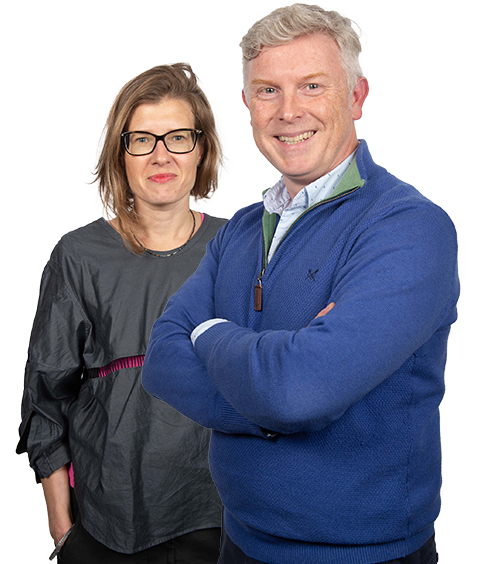
Richard Mableson
APAC Director for Client Experiences
[email protected]